Running a restaurant has always been one of the hardest businesses to operate. Thin margins, high turnover, unpredictable demand, and a customer base that has zero tolerance for mistakes. AI isn't going to change the fundamentals, but it is genuinely reducing friction in areas that have historically cost restaurants significant time and money.
The good news for restaurant operators is that the technology has matured past the experimental stage. There are agencies and platforms with real track records in food service. The solutions are well-tested, the ROI is increasingly predictable, and implementation timelines are measured in weeks, not months.
The restaurant problems AI actually solves
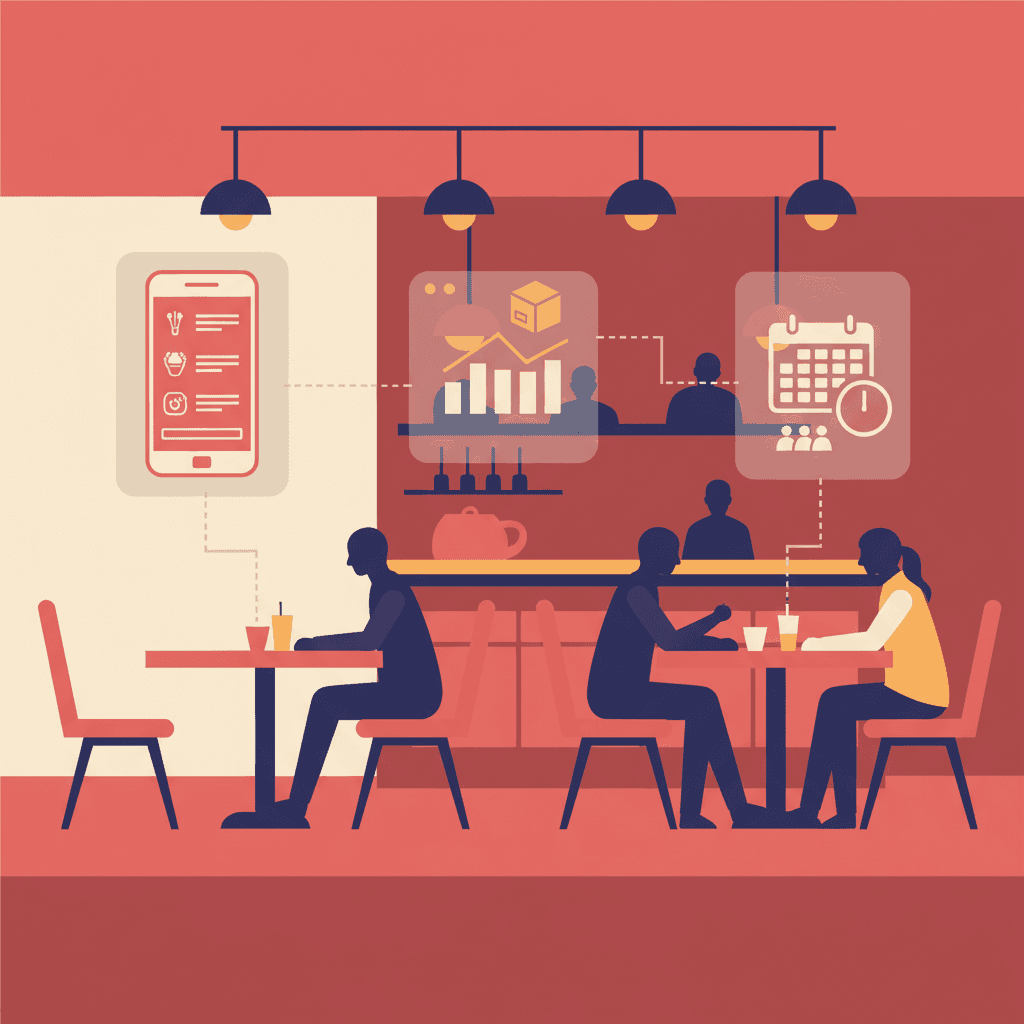
Before getting into specific tools, it helps to look at where restaurants lose money and time most consistently. Four areas stand out as the clearest AI opportunities in 2026.
- Phone calls that go unanswered or tie up staff. A busy restaurant can receive 80 to 150 calls per day. During a dinner rush, those calls go unanswered, and the customer calls a competitor.
- Inventory waste from poor forecasting. Food waste typically accounts for 4 to 10 percent of food costs. Better demand forecasting directly improves that number.
- Slow ordering processes. Servers writing down orders by hand and physically walking them to a POS system adds time to every table turn.
- Customer service gaps outside operating hours. Online reviews, reservation requests, and general questions come in at all hours. Most restaurants have no coverage for them.
Browse AI agencies that specialize in restaurants on AgencyMatchAI to find firms with food service experience specifically.

AI phone answering for restaurants
The problem
The phone is still the primary communication channel for restaurant customers. They call to make reservations, check wait times, ask about allergens, confirm catering orders, and ask whether you're open on holidays. During service, every phone call your staff answers is a table that gets slightly worse attention.
Most restaurants handle this by letting calls ring to voicemail, answering when they can, or hiring a dedicated host just to manage the phone. None of these are great solutions. Voicemail loses customers. Having hosts answer constantly reduces service quality. A dedicated phone employee adds $35,000 to $45,000 in annual labor costs.
What AI phone answering delivers
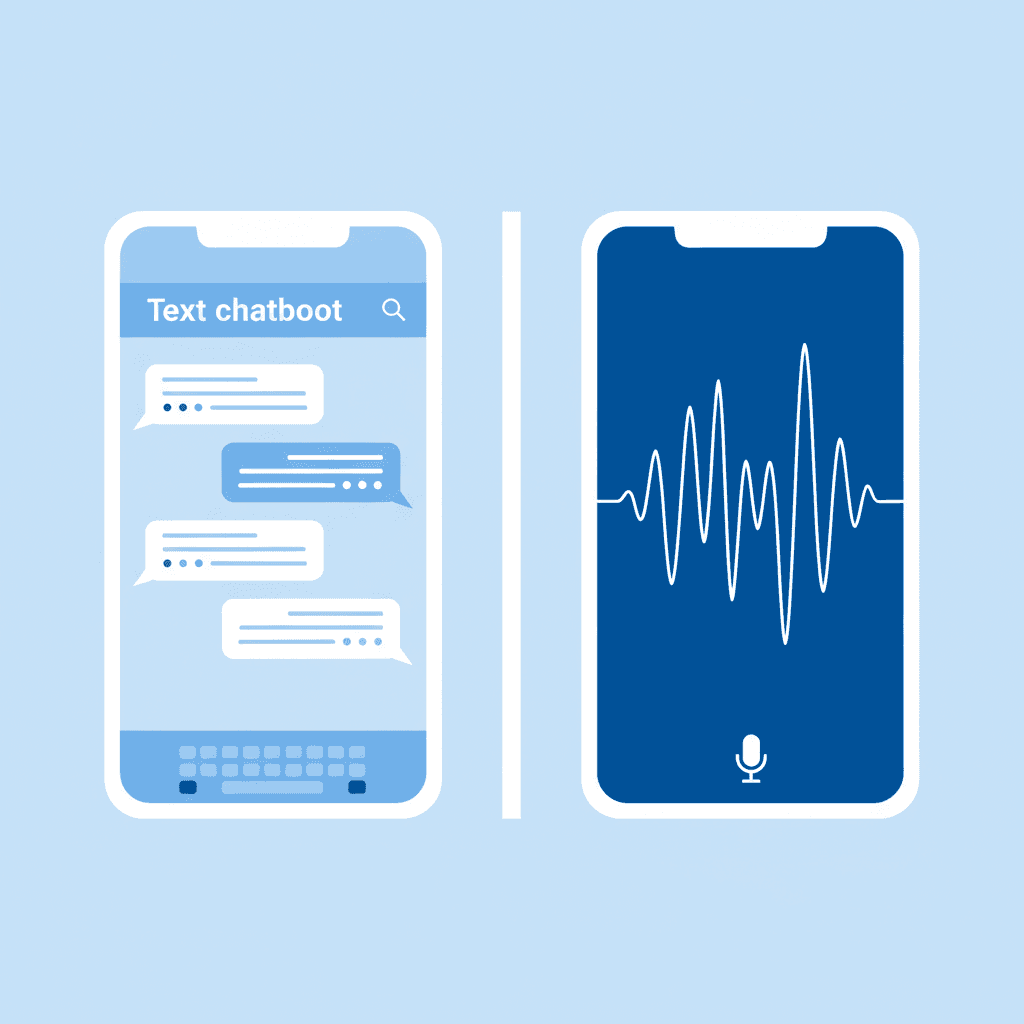
An AI phone answering system picks up every call, every time, regardless of how busy service is. It can answer questions about hours, the menu, specials, allergen information, and parking. It can take reservations and add them directly to your reservation system. It can put customers on a waitlist and send them a text when their table is ready.
The best systems sound natural, handle interruptions gracefully, and know when to transfer a caller to a human. They don't get flustered during a Saturday dinner rush, and they don't call in sick.
Cost range: $200 to $600 per month for most restaurant configurations. Setup typically takes 2 to 4 weeks to train the system on your menu, policies, and reservation rules.
What to look for in a restaurant voice AI system
- POS and reservation system integration. The AI should write reservations directly into OpenTable, Resy, Toast, or whatever you use. Manual entry defeats the purpose.
- Menu awareness. The system should answer specific questions about dishes, ingredients, and allergens. This requires ongoing updates as your menu changes.
- Fallback to human transfer. Complex situations, complaints, and special requests should escalate to a human seamlessly, without frustrating the caller.
- Call recording and analytics. Understanding what customers call about most often is valuable data for your operations and menu decisions.
AI inventory management
The problem
Food cost is typically 28 to 35 percent of restaurant revenue. Waste, whether from over-ordering, spoilage, or poor portioning, directly erodes that margin. Most independent restaurants still manage inventory with spreadsheets or gut instinct, which works until it doesn't.
The core challenge is forecasting demand accurately enough to order the right quantities. A restaurant that does 40 covers on a Tuesday but 200 on a Saturday needs inventory systems that can anticipate that variation and adjust accordingly.
What AI inventory systems do
AI inventory management systems connect to your POS data and use historical sales patterns, weather, local events, and seasonal trends to predict demand for the coming week. They generate purchase orders automatically, flag items at risk of spoiling before it becomes a problem, and track actual versus theoretical food cost in real time.
According to McKinsey research on food waste reduction, AI-powered demand forecasting can reduce food waste by 20 to 50 percent in food service environments. For a restaurant spending $15,000 per month on food, a 30 percent reduction in waste is $4,500 per month in recovered margin.
Cost range: $150 to $500 per month depending on the platform and size of your operation. Most systems require a 90-day data history to forecast accurately.
AI ordering and table management
QR code and tablet ordering
QR code ordering isn't new, but AI is making it smarter. Modern AI-assisted ordering systems do more than display a digital menu. They make personalized recommendations based on what the table has already ordered, upsell add-ons at the right moment, and flag menu items as unavailable in real time when you run out of an ingredient.
The labor math is significant. A server managing 4 tables can manage 6 to 8 with AI-assisted ordering because the system handles order transcription, sends orders directly to the kitchen, and manages the pacing of courses. Your servers become hospitality staff rather than order-takers.
AI-powered table turn optimization
Some restaurant AI platforms analyze your historical table turn times, reservation patterns, and walk-in traffic to recommend optimal seating assignments in real time. This sounds like a small efficiency gain, but shaving 8 to 10 minutes off average table turn during a busy Saturday dinner service can add 2 to 3 extra turns for your highest-demand tables. At $60 average check per table, that's meaningful nightly revenue.
AI customer service and marketing
Review management and response
Google and Yelp reviews significantly affect where customers choose to eat. Responding to reviews promptly signals that you care, but doing it manually for every review is time-consuming. AI tools can draft responses to reviews, flag negative feedback for urgent human attention, and help you maintain a consistent brand voice across dozens of reviews per week.
The goal isn't to replace your genuine engagement with customers. It's to make sure every review gets a response — rather than the reality most restaurants face, which is that the majority of reviews go unanswered entirely.
Automated guest marketing
AI marketing tools for restaurants can segment your customer database, identify guests who haven't visited in 60 or 90 days, and automatically send personalized re-engagement messages with a relevant offer. They can trigger birthday messages, anniversary reminders, and post-visit follow-ups without any manual work from your team.
A restaurant with 2,000 guests in its database and a 15 percent re-engagement rate on lapsed guest campaigns is recovering 300 visits per campaign cycle. At $45 average check, that's $13,500 in revenue from an automated campaign that cost a few hundred dollars to run.
Where to start
The biggest mistake restaurants make with AI is trying to implement everything at once. Pick one problem, solve it well, and build from there. For most restaurants, the phone is the fastest win. It's visible, measurable, and the ROI is clear within 30 days of deployment.
Once the phone is handled, inventory management is usually the next highest-impact move. After that, layer in customer marketing and ordering optimization as your team adapts to the new workflows.
Not sure which AI solution makes the most sense for your restaurant's situation? Take the AgencyMatchAI quiz to get a tailored recommendation. It asks about your restaurant type, current pain points, and budget, and connects you with agencies that have done this work in food service specifically.
The restaurants moving on AI now are building an operational advantage over those that wait. The technology is mature, the costs are reasonable, and the results are repeatable. The question for most operators isn't whether to adopt AI, it's where to start first.